Tunisia to Canada Spousal Sponsorship
Last updated:
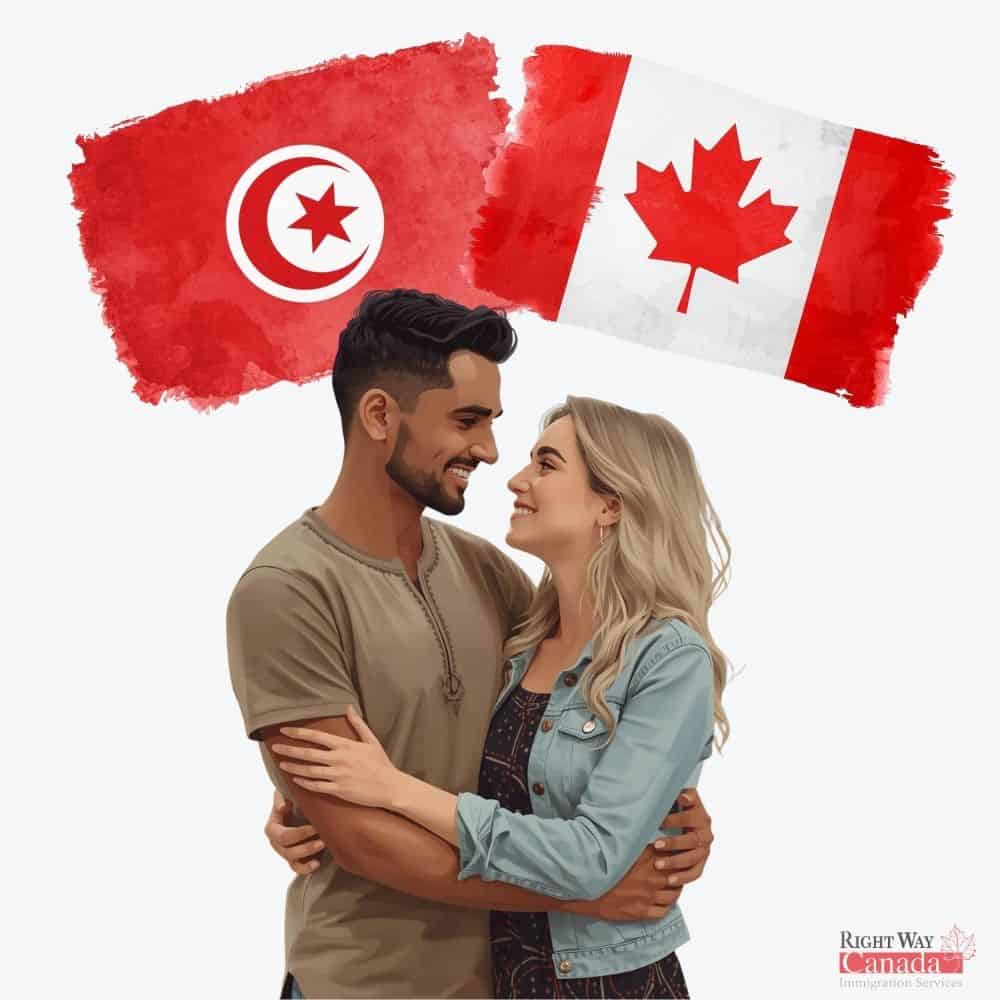
Spousal and partner sponsorship is one of the most important pathways for Tunisian families hoping to reunite in Canada. While the process is generally straightforward, Tunisian applicants should be aware of certain country-specific documentation standards and administrative requirements that may affect how their sponsorship application is reviewed.
With accurate documentation and well-organized evidence, applicants can move through the sponsorship process smoothly and confidently. If at any point you feel unsure about a document or a specific step, our consultants are available to guide you and help avoid costly delays. You can book an appointment for personalized guidance or review our Immigration Consultant Fees to compare packages and choose the level of support that fits your needs. For more information on eligibility, timelines, and requirements, visit our Spousal Sponsorship Program page and learn why families trust our Canadian immigration consultant.
Country-Specific Documents
Tunisia has a centralized and well-organized civil registry system managed through local municipal offices (Municipalités).
- Required Documents: Canadian authorities often expect:
- Full-form birth certificates (Extrait d’acte de naissance or Copie intégrale).
- Official marriage certificates (Acte de mariage) issued by the municipality. IRCC will not accept informal or religious-only marriage documents.
- Recent Issuance: Documents must be recently issued (often within the last 3–6 months), as Tunisian records are updated digitally and reissued easily by the municipality.
- Supplementary Information – Your Travels (IMM 5562) (digital form):
- The principal applicant and all family members included in the application who are 18 years old or older must complete this form.
- Translation Rules (Bilingual Documents): Civil documents are typically issued in both Arabic and French.
- French sections generally do not require translation as French is an official Canadian language.
However, if the document contains Arabic-only sections (such as a seal, marginal note, or the entire document text), those sections must be translated by a certified translator.
Police Certificates (PCC)
- Required Document: Tunisian applicants require the “Bulletin n°3” criminal record certificate issued by the Ministry of Justice.
- Application Process:
- It can be requested in person at local courts in Tunisia.
- Tunisians living abroad must apply through the nearest Tunisian embassy or consulate.
- Processing Time: While the criminal record system is modernized, processing times can vary depending on regional offices and the complexity of the applicant’s residential history.
Other “Must-have” Documents
Military Service Obligation (For Men)
- Mandatory Documentation: Military service is compulsory for Tunisian men who have reached the age of 20 (typically for one year).
- Applicants must provide documentation confirming their military status, even if they were deferred or legally exempted (exemption). This includes documents like:
- A certificate of completion of service (or discharge).
- A certificate of exemption (attestation d’exemption) issued by the Ministry of National Defence.
Cultural and Naming Consistency
- Evidence Challenges: Tunisia is culturally conservative. Unmarried couples often cannot legally or socially cohabit, meaning evidence like joint leases, shared bills, or extensive photos together in a home setting may be limited. IRCC expects applicants to provide alternate proof, such as travel history, communication logs, financial support, and strong family/friend statements.
- Name Consistency: Tunisian names may appear with or without accents, hyphens, or multiple segments. Applicants must maintain absolute consistency across all forms, the passport, and civil records to prevent delays caused by identity verification issues.